
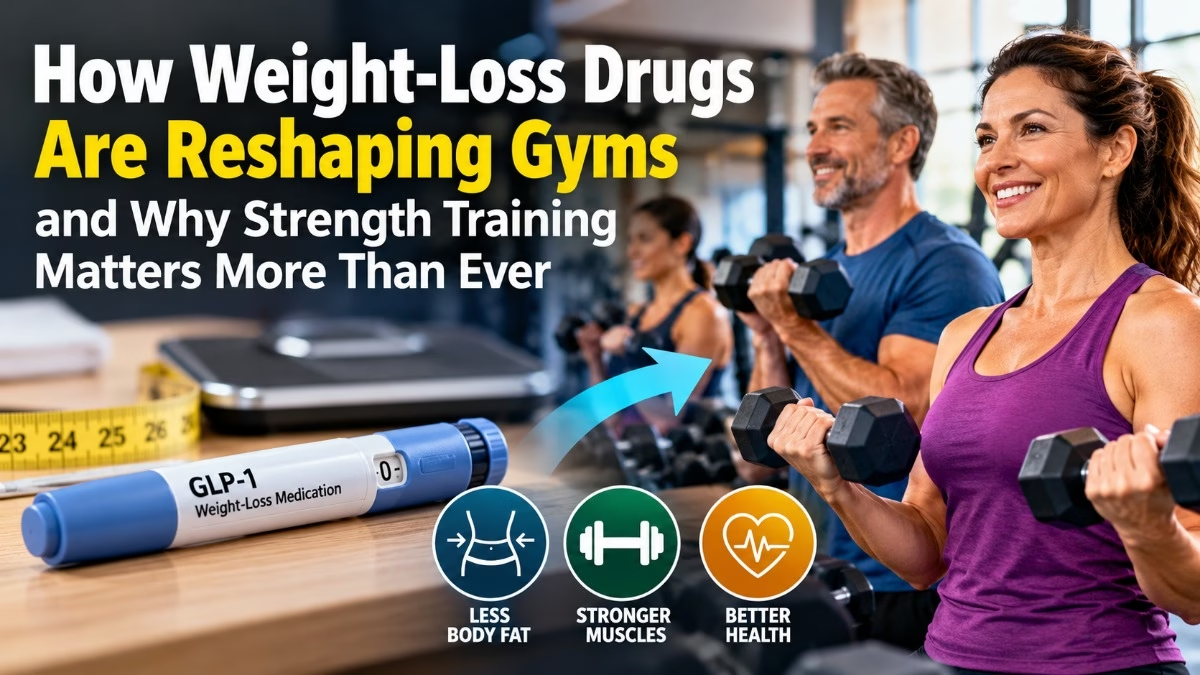
Weight-loss drugs’ growing use is encouraging gyms and fitness professionals to focus on more than weight reduction. Strength training, balanced nutrition, and sustainable exercise habits can play an important role in supporting physical health during medically supervised weight management.
Weight-loss drugs are changing how people approach fitness, and gyms are adapting to a new kind of customer. As GLP-1 medications help people lose significant weight, experts are emphasizing strength training, adequate nutrition, and muscle preservation to support healthier long-term results.
How Are Weight-Loss Drugs Changing the Fitness Industry?
Medications such as semaglutide (Wegovy) and tirzepatide (Zepbound) have transformed obesity treatment. They work by affecting appetite and fullness, helping eligible patients reduce calorie intake and manage their weight.
But losing weight is only part of the journey. People also need to consider physical strength, muscle health, and the habits that help them maintain their progress.
A December 2025 report by Axios described how fitness companies were responding. Life Time introduced a health and performance program through Miora, while Equinox developed training tailored to people experiencing weight loss. Planet Fitness also explored partnerships to help customers access suitable exercise programs.
The message is clear: gyms may increasingly become partners in medically supported weight management rather than simply places to burn calories.
Why Muscle Preservation Matters During Weight Loss
When the body loses weight, it generally sheds both fat and lean tissue. Lean tissue includes muscle but also other components, so changes in lean mass should not automatically be interpreted as equivalent muscle loss.
A 2025 systematic review and network meta-analysis published in Metabolism examined 22 randomized controlled trials involving 2,258 participants. It found that GLP-1-based treatments reduced fat mass and lean mass, with lean-mass reduction accounting for approximately 25% of total weight loss in the pooled analysis.
A separate 2026 systematic review and meta-analysis in the International Journal of Obesity, covering seven studies and 821 participants, also found reductions in absolute lean mass during treatment. The researchers emphasized the importance of nutrition and exercise alongside medication.
These findings do not mean weight-loss medications are unsafe or unsuitable. They highlight why the quality of weight loss matters alongside the number on the weighing scale.
Featured-snippet answer: Can weight-loss drugs cause muscle loss?
Yes. Some weight lost during GLP-1 treatment can come from lean tissue, including muscle. Adequate nutrition, individualized resistance training, and medical monitoring can help address this concern.
Why Strength Training Is Becoming Essential
For people losing weight with medical support, exercise should not focus exclusively on cardio. Resistance training helps strengthen muscles and supports physical function.
A practical fitness plan may include:
- Strength exercises: Appropriate resistance exercises targeting major muscle groups, progressed gradually.
- Walking or other aerobic activity: To support cardiovascular health, mobility, and endurance.
- Adequate protein and balanced nutrition: To help meet nutritional needs during reduced food intake.
- Recovery and consistency: Rest, hydration, and manageable exercise routines that can be maintained over time.
People experiencing nausea, fatigue, dizziness, or substantial changes in food intake should discuss exercise adjustments with their healthcare professional. Training intensity should reflect their health, experience, and physical capacity.
The Latest Research: Can New Treatments Help Preserve Muscle?
Research into muscle preservation is moving beyond exercise and nutrition alone.
On September 30, 2026, Reuters reported results from a mid-stage clinical trial investigating trevogrumab, an experimental medicine developed by Regeneron, alongside semaglutide.
In one part of the trial, participants receiving semaglutide alone lost 6.7% of lean muscle mass over 26 weeks, compared with 3.3% among those receiving semaglutide alongside a 75-milligram dose of trevogrumab.
These preliminary findings are promising, but trevogrumab remains investigational. The results do not establish it as an approved treatment for preventing muscle loss, and further research is needed to establish its benefits and risks.
For now, exercise, appropriate nutrition, and professional medical guidance remain important parts of a comprehensive weight-management strategy.
What This Means for Gyms and Fitness Customers
The growing use of weight-loss medications creates both an opportunity and a responsibility for the fitness industry.
Gyms can respond by offering beginner-friendly strength programs, trainer education, nutrition referrals, and progress assessments that look beyond body weight. Personal trainers should understand the general needs of people undergoing medical weight management while leaving medication decisions to qualified healthcare professionals.
For customers, the goal should not simply be to become lighter. It should be to improve strength, mobility, fitness, and overall health while developing habits that are sustainable.
The Bottom Line
Weight-loss medications are reshaping the fitness industry because successful weight management involves more than losing pounds. Combining medically supervised treatment with suitable strength training and adequate nutrition may help people protect physical function and build healthier routines.
The future of fitness may increasingly depend on helping people achieve not just weight loss, but better-quality weight loss.
Medical disclaimer:
This article is for educational purposes only and is not a substitute for professional medical advice. Do not start, stop, or change prescription medication without consulting a qualified healthcare professional.
#WeightLossDrugs #GLP1 #StrengthTraining #MusclePreservation #HealthyWeightLoss
Research and Sources
- Axios — How Weight-Loss Drugs Are Reshaping Fitness Gyms (December 25, 2025)
- Metabolism — Systematic review and network meta-analysis of GLP-1-based treatments and body composition
- International Journal of Obesity — Effect of GLP-1 receptor agonists on muscle health (2026)
- Reuters — Experimental trevogrumab and semaglutide trial results (September 30, 2026)
- PubMed — Muscle health in the modern era of incretin-based therapies (2025)