
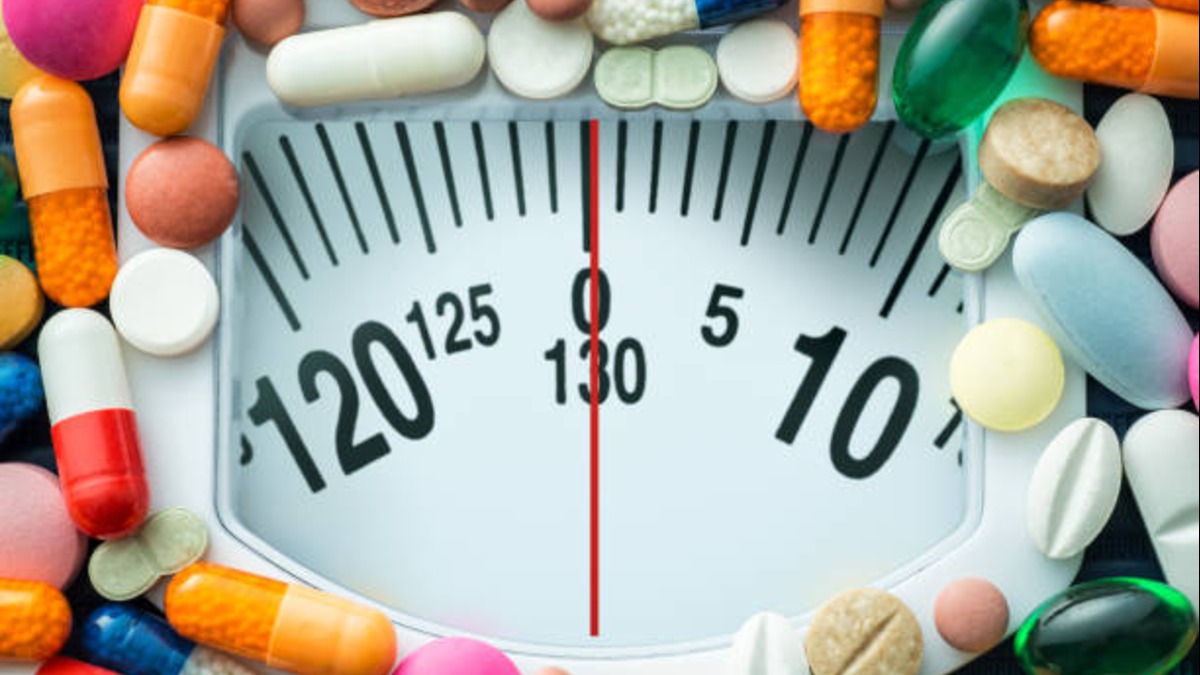
New weight-loss drugs 2026 and obesity treatments
Originally published May 18, 2026. Updated August 19, 2026, with revised U.S. FDA approval information, clinical-trial developments, references, and FAQs.
Introduction
The world of weight-loss medicine is changing faster than ever before. A new generation of obesity medications is showing results in clinical trials that could reshape how obesity, diabetes, and metabolic health are treated in the coming years.
From oral weight-loss pills to longer-acting injections, researchers are developing treatments that may offer more choices for people who need medical help with weight management.
Today, millions of people struggle with obesity and weight-related health complications. Healthy eating and regular exercise remain the foundation of long-term health, but some people need additional medical support to manage their weight.
Several next-generation drugs are now showing weight-loss results that were previously difficult to achieve without intensive medical treatment. Some clinical-trial participants have lost 20% to 30% of their body weight, although results vary by drug, dose, study design, and individual response.
This article looks at promising weight-loss drugs being studied or moving through development.This guide to new weight-loss drugs 2026 focuses on the treatments attracting the most attention in the United States. Some medicines discussed here are already FDA-approved in the United States, while others remain experimental and are available only through clinical trials.
Why New Weight-Loss Drugs in 2026 Are Getting So Much Attention
Modern obesity research has revealed something important: weight gain is not simply about lack of willpower. Hormones, genetics, appetite regulation, metabolism, insulin resistance, stress, and brain signaling can all influence body weight.
Many newer medications target biological pathways involving:
- GLP-1
- GIP
- Glucagon
- Amylin
These pathways can help reduce hunger, increase fullness, slow stomach emptying for some medicines, improve blood-sugar control, or influence energy balance. This is one reason medicines such as semaglutide and tirzepatide have become so widely discussed.
FDA-Approved Weight-Loss Medicines Available in the United States
Before looking at medicines still in development, it is important to separate FDA-approved treatments from experimental candidates.
- Wegovy
- Wegovy HD
- Oral Wegovy
- Zepbound
- Saxenda
- Foundayo
- Contrave
- Qsymia
- Orlistat/Xenical/Alli
- Imcivree for certain genetic or syndromic forms of obesity
The FDA approved Foundayo (orforglipron) on April 1, 2026 for chronic weight management in adults with obesity or adults with overweight plus at least one weight-related condition. The FDA also approved the higher-dose Wegovy HD injection in March 2026. Current FDA labeling lists Wegovy in both injectable and oral tablet forms.
14 New Weight-Loss Drugs and Obesity Treatments to Watch in 2026
1. Aleniglipron – An Oral Weight-Loss Candidate
Aleniglipron is an oral obesity medication under development. Unlike many injectable GLP-1 medicines, it is being developed as a pill, which could appeal to people who prefer oral treatment.
- It acts on the GLP-1 pathway.
- It is designed to reduce appetite and food intake.
- Early studies showed meaningful weight reduction.
- Aleniglipron is advancing toward Phase 3 development in 2026 following positive FDA end-of-Phase-2 feedback.
2. Amycretin – A Dual-Action Obesity Drug
Amycretin, also known as zenagamtide, is being developed by Novo Nordisk. It is a single molecule that activates both GLP-1 and amylin receptors.
- Both oral and injectable versions are being developed.
- The dual mechanism is intended to support appetite control and weight reduction.
- 2026 data reported weight loss of up to 14.6% at 36 weeks in a Phase 2 study of adults with type 2 diabetes.
- Phase 3 development is underway.
3. Retatrutide – The Triple-Hormone Weight-Loss Drug
Retatrutide is an investigational medicine developed by Eli Lilly. It targets GLP-1, GIP, and glucagon receptors at the same time.
- This triple-action approach is designed to reduce appetite and influence energy metabolism.
- In the Phase 3 TRIUMPH-1 trial, the 12-mg group lost an average of 28.3% of body weight at 80 weeks.
- Some participants achieved at least 30% weight loss.
- Retatrutide is not FDA-approved and remains investigational.
4. CagriSema – Combining Semaglutide and Cagrilintide
CagriSema combines semaglutide with cagrilintide, using two complementary appetite-regulating pathways.
- Clinical studies have reported substantial weight loss.
- Studies have also evaluated effects on blood sugar and waist circumference.
- CagriSema remains an investigational medicine and is not currently FDA-approved for obesity treatment in the United States.
- Phase 3 studies continue.
5. MariTide – A Longer-Acting Obesity Candidate
MariTide, also known as maridebart cafraglutide, is an investigational medicine being developed by Amgen. It activates GLP-1 signaling while blocking GIP activity.
- The program is designed around less-frequent dosing than traditional weekly injections.
- Phase 3 studies are evaluating monthly and other extended dosing schedules.
- Researchers are studying its effects on weight, blood sugar, cardiovascular outcomes, and obesity-related conditions.
- MariTide is not FDA-approved.
6. VK2735 – A New GLP-1/GIP Candidate
VK2735 is an investigational medicine designed to target both GLP-1 and GIP receptors.
- Phase 2 studies have shown substantial weight reduction over short treatment periods.
- An oral version is also being developed.
- VK2735 is not FDA-approved.
7. Survodutide – Weight Loss and Liver Health
Survodutide is an investigational GLP-1/glucagon dual agonist being studied for obesity and related metabolic conditions, including metabolic dysfunction-associated steatotic liver disease (MASLD).
- Clinical trials have shown meaningful weight reduction.
- Phase 3 research has also examined liver-related outcomes in people with obesity and MASLD/MASH.
- Its combination of weight and liver-health research makes survodutide an important candidate to watch.
- It is not FDA-approved for weight management.
8. Mazdutide – A Drug With China Approval
Mazdutide is an injectable medicine that targets GLP-1 and glucagon pathways. It has shown weight-loss and blood-sugar benefits in clinical studies.
- Studies have reported substantial weight reduction.
- It has been approved for chronic weight management in China.
- It is not currently FDA-approved for weight management in the United States.
9. Ecnoglutide – A Long-Acting GLP-1 Candidate
Ecnoglutide is a long-acting GLP-1-based treatment being developed for obesity and metabolic disease.
- Clinical studies have reported weight loss and improved glucose control.
- Both injectable and oral approaches have been investigated.
- Its U.S. regulatory status should be checked against the latest FDA records because development programs can change.
10. PF-08653944 (Berobenatide) – Pfizer’s Long-Acting Candidate
PF-08653944, also known as PF’3944 or MET-097i in earlier development, is an investigational long-acting GLP-1 receptor agonist from Pfizer.
- It is designed for extended dosing, including monthly maintenance.
- Pfizer reported positive Phase 2b results in February 2026.
- Multiple Phase 3 studies were expected to advance during 2026.
- It is not FDA-approved.
11. Eloralintide – An Amylin-Based Candidate
Eloralintide is an investigational medicine that selectively activates amylin receptors.
- Clinical studies have reported meaningful weight loss.
- Researchers are studying its potential effects on cardiometabolic measures.
- Eloralintide is being studied in Phase 3.
- It is not FDA-approved.
12. ARD-101 – An Investigational Appetite-Control Approach
ARD-101 takes a different approach by targeting bitter taste receptors in the gut, with the aim of influencing natural appetite-regulating hormones.
- It has been studied as an investigational approach to appetite control.
- Its development status should be followed through updated clinical-trial and company disclosures.
- It is not an FDA-approved weight-loss medicine.
13. APHD-012 – An Investigational Non-Surgical Approach
APHD-012 is being studied as a non-surgical approach to weight management and metabolic health.
- Researchers are investigating its effects on glucose tolerance and gut-related metabolic signaling.
- The research is still ongoing.
- It is not FDA-approved.
14. Monlunabant – A Brain and Metabolism Candidate
Monlunabant works through cannabinoid receptor pathways linked to appetite and metabolism.
- Clinical development has examined its potential for weight reduction.
- Reported concerns have included anxiety, irritability, and sleep disturbances.
- Researchers continue to evaluate its safety and effectiveness.
- It is not FDA-approved for weight management.
FDA-Approved Weight-Loss Medications Already Available
Several obesity medicines are already FDA-approved in the United States. They work in different ways, and the appropriate treatment depends on factors such as medical history, other health conditions, body mass index, current medicines, and treatment goals.
| Medication | Active ingredient | U.S. status | Form | Main use |
| Wegovy | Semaglutide | FDA-approved | Tablet / injection | Chronic weight management |
| Wegovy HD | Semaglutide | FDA-approved | Injection | Chronic weight management |
| Foundayo | Orforglipron | FDA-approved | Tablet | Chronic weight management |
| Zepbound | Tirzepatide | FDA-approved | Injection | Chronic weight management |
| Saxenda | Liraglutide | FDA-approved | Injection | Chronic weight management |
| Qsymia | Phentermine/topiramate | FDA-approved | Capsule | Chronic weight management |
| Contrave | Naltrexone/bupropion | FDA-approved | Tablet | Chronic weight management |
| Orlistat/Xenical/Alli | Orlistat | FDA-approved | Capsule | Weight management |
| Imcivree | Setmelanotide | FDA-approved for specific genetic/syndromic obesity | Injection | Specific genetic/syndromic obesity |
Are New Weight-Loss Drugs Safe?
Safety depends on the specific medicine, dose, medical history, and whether the treatment has been FDA-approved or is still experimental.
Common side effects reported with many modern obesity medicines can include nausea, vomiting, constipation, diarrhea, and stomach discomfort. Some medicines may have additional warnings or risks, which is why treatment should be guided by a qualified healthcare professional.
Experimental drugs have a different level of uncertainty because their benefits and risks are still being studied. A medicine being tested in a clinical trial should not be treated as though it has already been approved for routine prescribing.
Weight-loss medication should not replace healthy habits. The best long-term approach combines appropriate medical care with nutritious eating, physical activity, adequate sleep, stress management, and sustainable lifestyle changes.
The Future of New Weight-Loss Drugs in 2026
The obesity-treatment landscape is entering a new era. Over the next few years, research may bring more oral medicines, longer-acting injections, combination therapies, and more personalized approaches to obesity treatment.
- More oral weight-loss medicines
- Longer-acting or less-frequent injections
- Combination therapies
- More personalized obesity treatment
- Better long-term weight management strategies
Scientists increasingly recognize obesity as a complex chronic disease rather than simply a cosmetic issue. For many people, medical treatment can be an important part of managing obesity and related health conditions.
The Bottom Line
The landscape of new weight-loss drugs 2026 is moving rapidly through clinical development. Promising candidates such as aleniglipron, amycretin, retatrutide, CagriSema, MariTide, VK2735, survodutide, and others are being studied for stronger, longer-lasting, or more convenient approaches to obesity treatment.
At the same time, FDA-approved treatments such as Wegovy, Wegovy HD, oral Wegovy, Zepbound, Foundayo, and other approved medicines are already available in the United States for appropriate patients.
No weight-loss medicine is a magic solution. Sustainable results depend on the right medical treatment, realistic lifestyle changes, and long-term follow-up.
For Americans considering weight-loss medication, the most important distinction is whether a treatment is FDA-approved and available by prescription or is still being studied in clinical trials.
Looking Beyond Prescription Weight-Loss Drugs
Prescription medicines are not the only products people explore when trying to manage their weight.
Some readers also consider non-prescription weight-management supplements, particularly when they are looking for additional support alongside healthier eating and regular physical activity.
However, supplements should not be viewed as substitutes for FDA-approved obesity medicines or professional medical care.
If you are interested in exploring this category, you can read our Citrus Burn Review 2026 to see what the product claims, what ingredients it contains, and what consumers should consider before making a purchase.
Always check the ingredients, follow the manufacturer’s directions, and speak with a healthcare professional if you take prescription medicines or have an existing medical condition.
Frequently Asked Questions
What are the newest weight-loss drugs in 2026?
The most closely watched new candidates include retatrutide, CagriSema, MariTide, amycretin (zenagamtide), aleniglipron, VK2735, survodutide, and other medicines still in development.
Which new weight-loss drugs are FDA-approved in the U.S.?
In 2026, FDA-approved options include medicines such as Wegovy, Wegovy HD, oral Wegovy, Zepbound, Foundayo, Saxenda, Qsymia, Contrave, Orlistat, and Imcivree for specific genetic or syndromic obesity.
Is retatrutide FDA-approved?
No. Retatrutide remains an investigational medicine and is not FDA-approved. It is being studied in Phase 3 clinical trials.
Is Foundayo FDA-approved?
Yes. The FDA approved Foundayo (orforglipron) on April 1, 2026 for chronic weight management in eligible adults with obesity or overweight plus a weight-related condition.
Is oral Wegovy available in the United States?
Yes. FDA records list Wegovy in both tablet and injectable forms. Availability and prescribing should be confirmed with a U.S. healthcare professional and pharmacy.
What is the difference between GLP-1 and GIP weight-loss drugs?
GLP-1 and GIP are different hormone pathways involved in appetite, blood sugar, and metabolism. Some newer medicines target one pathway, while others combine GLP-1 with GIP or other pathways.
Which weight-loss drugs are still in clinical trials?
Many candidates remain investigational, including retatrutide, CagriSema, MariTide, VK2735, survodutide, aleniglipron, and several others discussed in this article.
Are experimental weight-loss drugs available by prescription?
Generally no. Investigational drugs are normally available only through authorized clinical trials until regulators approve them for routine medical use.
Sources and References
U.S. Food and Drug Administration — Novel Drug Approvals for 2026
https://www.fda.gov/drugs/novel-drug-approvals-fda/novel-drug-approvals-2026
U.S. Food and Drug Administration — Foundayo (orforglipron) approval, April 1, 2026
https://www.fda.gov/news-events/press-announcements/fda-approves-first-new-molecular-entity-under-national-priority-voucher-program
U.S. Food and Drug Administration — Wegovy HD approval, March 19, 2026
https://www.fda.gov/news-events/press-announcements/fda-approves-fourth-product-under-national-priority-voucher-program-higher-dose-semaglutide
FDA — Foundayo prescribing information
https://www.accessdata.fda.gov/drugsatfda_docs/label/2026/220934Orig1s000lbl.pdf
ClinicalTrials.gov — CagriSema REDEFINE 1
https://clinicaltrials.gov/study/NCT05567796
Eli Lilly — Retatrutide Phase 3 TRIUMPH-1 results, May 21, 2026
https://investor.lilly.com/news-releases/news-release-details/lillys-triple-agonist-retatrutide-delivered-powerful-weight-loss
Nature Medicine — Phase 3 survodutide study in obesity and MASLD
https://www.nature.com/articles/s41591-026-04479-3
Amgen — MariTide Phase 3 development information
https://investors.amgen.com/static-files/4e8e58ab-1e91-441e-94ea-4c8285338ec9
Pfizer — PF-08653944 Phase 2b results, February 3, 2026
https://www.pfizer.com/news/press-release/press-release-detail/pfizers-ultra-long-acting-injectable-glp-1-ra-shows-robust
Novo Nordisk — Amycretin / zenagamtide development
https://annualreport.novonordisk.com/2025/strategic-aspirations/innovation-and-therapeutic-focus.html
Written by Ravi Tiku
Publisher & Author | 38 Years of Pharmaceutical Sales Experience
[Medical information note: This article is for general educational purposes and is not a substitute for professional medical advice.]