
After 50, metabolism slows because muscle mass naturally declines with age. Since muscle burns more calories than fat, losing muscle reduces the body’s daily calorie requirements.
If you’ve crossed the age of 50 and noticed that your waistline is expanding despite eating almost the same food, you’re certainly not alone. Many people find that losing weight becomes much harder after middle age, especially around the abdomen.
The good news is that this isn’t simply a matter of willpower. Science has shown that several age-related changes make belly fat more likely to accumulate. Understanding these changes is the first step toward managing them effectively.
In this comprehensive guide, we’ll explain why belly fat increases after 50, the health risks involved, and practical, evidence-based strategies that can help you reduce abdominal fat naturally.
What Is Belly Fat?
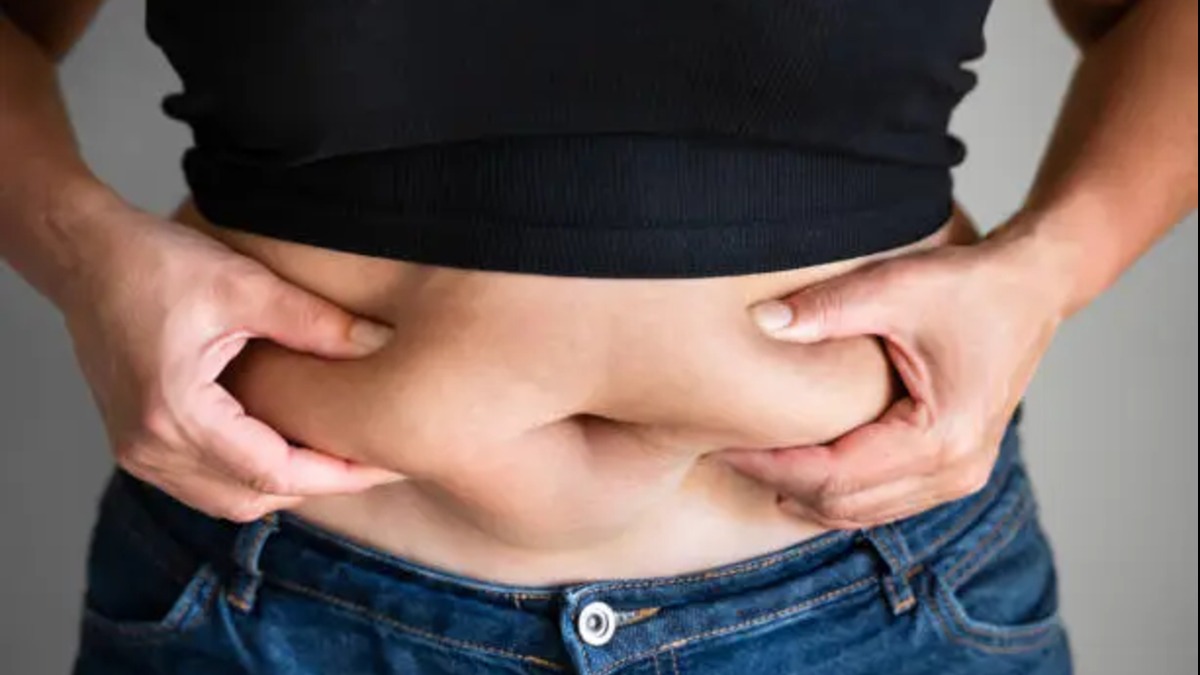
Belly fat isn’t just the soft layer you can pinch around your waist.
There are actually two types:
- Subcutaneous fat: Located just beneath the skin.
- Visceral fat: Found deep inside the abdomen around organs like the liver, pancreas, and intestines.
Visceral fat is considered much more dangerous because it releases inflammatory chemicals and hormones that can increase the risk of several chronic diseases.
Why Does Belly Fat Increase After 50?
Several biological changes occur as we age. Together, they create the perfect environment for fat storage around the midsection.
1. Slower Metabolism
One of the biggest reasons is a gradual decline in metabolism.
After age 50, your body burns fewer calories at rest than it did in your younger years.
Even if your eating habits stay the same, the unused calories are more likely to be stored as fat.
Featured Snippet
Why does metabolism slow after 50?
Metabolism slows because muscle mass naturally declines with age. Since muscle burns more calories than fat, losing muscle reduces the body’s daily calorie requirements.
2. Loss of Muscle Mass (Sarcopenia)
Adults begin losing muscle gradually after age 30, but the process accelerates after 50.
Less muscle means:
- Lower calorie burning
- Reduced strength
- Less efficient glucose use
- Greater fat storage
Resistance training becomes especially important during this stage of life.
3. Hormonal Changes
Hormones play a major role in where fat is stored.
In Women
After menopause:
- Estrogen levels decline.
- Fat distribution shifts from the hips and thighs toward the abdomen.
- Visceral fat increases significantly.
In Men
Testosterone gradually decreases with age.
Lower testosterone can lead to:
- Increased abdominal fat
- Reduced muscle mass
- Lower energy levels
4. Reduced Physical Activity
Many adults become less active after 50 because of:
- Retirement
- Joint pain
- Busy family responsibilities
- Medical conditions
Lower activity means fewer calories burned each day.
5. Poor Sleep
Sleep often becomes lighter and shorter with age.
Research shows inadequate sleep can increase:
- Hunger hormones (ghrelin)
- Appetite
- Sugar cravings
- Belly fat accumulation
Aim for 7–9 hours of quality sleep every night.
6. Chronic Stress
Long-term stress increases the hormone cortisol.
Higher cortisol levels encourage fat storage around the abdomen.
Stress also increases emotional eating, particularly foods rich in sugar and refined carbohydrates.
7. Insulin Resistance
As we age, the body’s response to insulin may decline.
This can result in:
- Higher blood sugar
- Greater fat storage
- Increased belly fat
- Higher risk of Type 2 diabetes
8. Processed Foods and Excess Sugar
Modern diets often include:
- Sugary beverages
- White bread
- Processed snacks
- Fast food
- Desserts
These foods can increase calorie intake without providing lasting fullness.
Is Belly Fat After 50 Dangerous?
Yes.
Visceral fat is linked to several serious health conditions.
Health Risks Include
- Heart disease
- Stroke
- High blood pressure
- Type 2 diabetes
- Fatty liver disease
- Sleep apnea
- Certain cancers
- Chronic inflammation
- Cognitive decline
Reducing abdominal fat improves both longevity and quality of life.
How to Measure Belly Fat
The simplest method is measuring your waist.
Healthy Waist Size
Women:
- Less than 35 inches (88 cm)
Men:
- Less than 40 inches (102 cm)
Waist size is often a better indicator of health risk than body weight alone.
Can Belly Fat Be Lost After 50?
Absolutely.
Although it may take longer than it did in your 20s or 30s, consistent lifestyle changes can significantly reduce visceral fat.
Age is not a barrier to improving your health.
Best Ways to Reduce Belly Fat After 50
1. Eat More Protein
Protein helps:
- Preserve muscle
- Reduce hunger
- Improve metabolism
- Support weight loss
Good protein sources include:
- Fish
- Eggs
- Greek yogurt
- Lentils
- Beans
- Chicken
- Tofu
2. Increase Fiber Intake
Fiber helps you stay full longer.
Excellent sources include:
- Vegetables
- Fruits
- Whole grains
- Oats
- Chia seeds
- Flaxseeds
- Legumes
3. Strength Training
Lifting weights 2–3 times weekly helps:
- Build muscle
- Burn more calories
- Improve insulin sensitivity
- Reduce belly fat
Even bodyweight exercises provide benefits.
4. Walk Every Day
Walking is one of the safest exercises after 50.
Aim for:
- 7,000–10,000 steps daily
- Or 30–45 minutes of brisk walking
Consistency matters more than intensity.
5. Limit Sugar
Reduce:
- Soft drinks
- Fruit juices with added sugar
- Cakes
- Cookies
- Candy
Choose whole fruits instead.
6. Prioritize Sleep
Create healthy sleep habits:
- Go to bed at the same time
- Avoid heavy meals before bedtime
- Limit screen exposure before sleep
- Keep the bedroom cool and dark
7. Manage Stress
Helpful techniques include:
- Meditation
- Deep breathing
- Yoga
- Gardening
- Reading
- Spending time with loved ones
Reducing stress may also help reduce emotional eating.
8. Stay Hydrated
Sometimes thirst is mistaken for hunger.
Drinking enough water can help control appetite and support overall health.
9. Avoid Crash Diets
Very low-calorie diets often cause muscle loss.
Instead, focus on sustainable habits that support long-term health.
10. Consult Your Healthcare Provider
If you’re struggling despite healthy habits, talk with your doctor.
They may evaluate for conditions such as:
- Hypothyroidism
- Hormonal imbalances
- Diabetes
- Medication-related weight gain
In some individuals with obesity or weight-related medical conditions, healthcare providers may also discuss evidence-based treatments, including FDA-approved anti-obesity medications, as part of a comprehensive weight management plan.
Foods That Help Reduce Belly Fat
Choose foods like:
- Leafy greens
- Broccoli
- Berries
- Apples
- Salmon
- Sardines
- Eggs
- Nuts
- Seeds
- Oats
- Beans
- Olive oil
- Greek yogurt
Foods to Limit
Reduce intake of:
- Sugary drinks
- Refined carbohydrates
- Processed meats
- Fast food
- Fried foods
- Alcohol
- Packaged snacks
Frequently Asked Questions
Why is my stomach getting bigger after 50 even though I don’t eat more?
Your metabolism slows with age, muscle mass decreases, hormones change, and daily activity often declines. These factors can lead to increased belly fat even without eating more.
Can walking reduce belly fat?
Yes. Regular brisk walking combined with healthy eating and strength training can help reduce visceral fat over time.
Which exercise is best after 50?
A combination of strength training, brisk walking, flexibility exercises, and balance training provides the best results for overall health and fat loss.
Is belly fat harder to lose after menopause?
Yes. Lower estrogen levels can promote fat storage around the abdomen. However, regular exercise, a protein-rich diet, and healthy sleep habits can still make a significant difference.
How long does it take to lose belly fat?
Results vary, but many people notice improvements within 8–12 weeks of maintaining healthy eating habits, regular physical activity, and consistent sleep.
Final Thoughts
Belly fat after 50 is a common concern, but it’s not inevitable. Natural changes in metabolism, hormones, muscle mass, sleep, and activity all contribute to increased abdominal fat. The encouraging news is that even modest, consistent lifestyle changes can significantly reduce visceral fat and improve overall health.
Rather than chasing quick fixes, focus on building sustainable habits. Prioritize protein-rich meals, include strength training and daily walking, get quality sleep, manage stress, and choose whole, minimally processed foods. These strategies not only help trim your waistline but also lower the risk of heart disease, diabetes, and other age-related conditions.
Remember, healthy aging isn’t about achieving a perfect body—it’s about maintaining strength, mobility, energy, and independence for years to come.
Conclusion
If you’re wondering why belly fat increases after 50, the answer lies in a combination of biological and lifestyle changes. While aging influences metabolism and hormone levels, it doesn’t determine your future health. By understanding the underlying causes and making informed choices, you can reduce abdominal fat, protect your long-term well-being, and enjoy a more active life after 50.
#BellyFatAfter50 #HealthyAging #WeightLossAfter50 #VisceralFat #FitnessOver50