
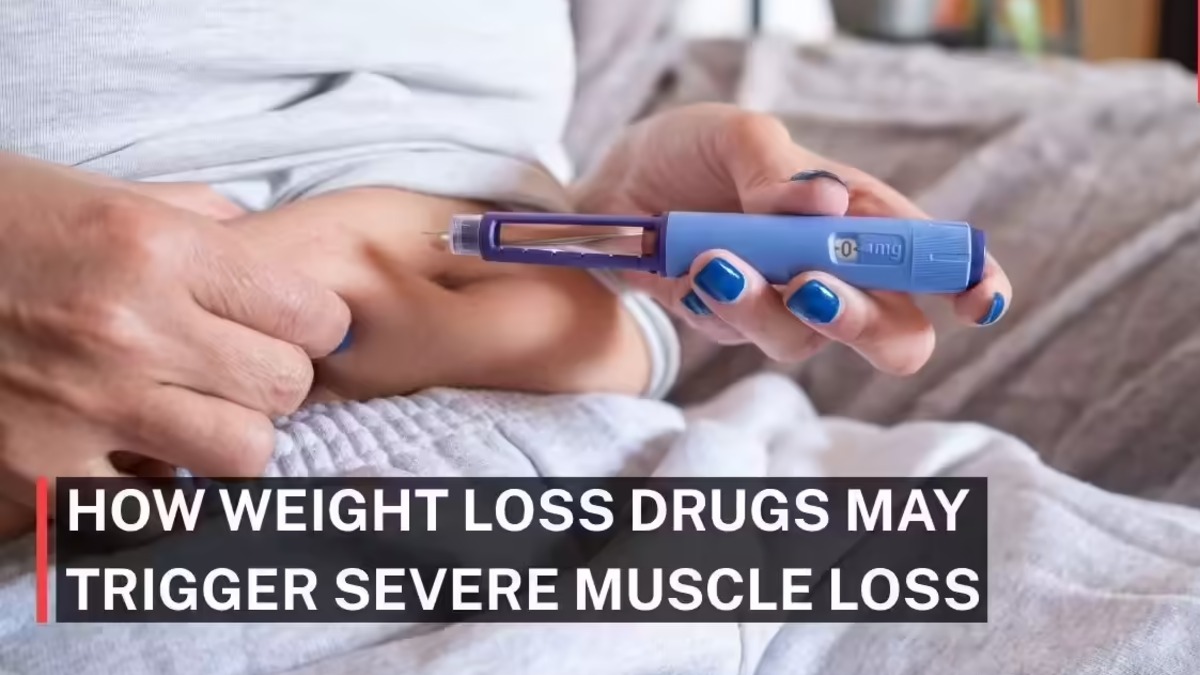
How weight loss drugs may trigger severe muscle loss | – The Times of India
GLP-1 and related weight-loss medicines have changed the treatment of obesity.
Medicines such as semaglutide and tirzepatide can help many people lose substantial amounts of weight and improve important health measures.
But weight loss is not made up of body fat alone.
Some lean tissue can also be lost during weight reduction.
A 2026 systematic review from researchers at the University of North Carolina and other institutions has brought renewed attention to this issue. The researchers found that muscle-related losses represented a substantial part of weight reduction across studies and said the issue deserves closer clinical attention.
The important point is that the evidence does not mean patients should stop effective obesity medicines. Instead, it highlights the need to consider body composition, strength and physical function alongside the number on the scale.
Muscle preservation is becoming an increasingly important issue as researchers develop new weight-loss drugs in 2026.
Quick Answer: Do GLP-1 Drugs Cause Muscle Loss?
Weight loss itself can involve losses of fat, water and lean tissue.
The 2026 evidence shows that people using incretin-based medicines can lose lean mass along with body fat. However, the available evidence does not prove that the medicines alone cause all of that muscle loss.
The amount of lean tissue lost can also depend on the speed and amount of weight loss, nutrition, physical activity, age and other factors.
This is why researchers increasingly recommend looking beyond body weight alone.
What the 2026 Research Found
Researchers reviewed evidence involving incretin-based medicines such as semaglutide and tirzepatide.
The review found that a meaningful proportion of weight lost during treatment came from fat-free mass.
The researchers emphasized that muscle loss during weight reduction is not unexpected. Their concern was that the proportion of lean tissue lost in several treatment groups was higher than anticipated.
The findings were published in Annals of Internal Medicine in 2026.
Why Muscle Matters During Weight Loss
Muscle is important for much more than appearance.
Healthy muscle supports:
- strength
- balance
- mobility
- physical independence
- glucose metabolism
- everyday activities
- protection against falls
The issue becomes especially important with age.
Older adults naturally lose muscle over time. Significant additional loss during weight reduction could therefore affect strength and mobility.
A 2026 review involving John Batsis and colleagues also highlights the need to understand how incretin therapies affect muscle and bone health in older adults.
Why Muscle Can Be Lost During Weight Reduction
Whenever a person loses weight, the body uses stored energy.
That weight reduction can include:
- body fat
- water
- lean tissue
The goal of healthy weight reduction is therefore not simply to lose as many pounds as possible.
Ideally, treatment should produce meaningful fat loss while limiting unnecessary loss of lean tissue.
Factors that may influence muscle preservation include:
- protein intake
- resistance exercise
- overall calorie intake
- speed of weight loss
- age
- physical activity
- existing muscle mass
What Are Incretin-Based Weight-Loss Medicines?
Semaglutide and tirzepatide belong to a group of medicines that act on hormone pathways involved in appetite, blood sugar and energy balance.
They can:
- reduce hunger
- increase feelings of fullness
- slow stomach emptying
- improve glucose regulation
- reduce food intake
- support substantial weight loss
These effects can provide major health benefits for people with obesity.
The concern about lean mass does not cancel those benefits.
Instead, it creates another question:
How can doctors help patients lose excess fat while protecting muscle and physical function?
Why Older Adults Deserve Special Attention
The evidence base does not contain enough older adults to answer every question about muscle preservation.
This is important because aging itself is associated with declining muscle mass and strength.
The UNC researchers specifically highlighted the limited representation of adults over 60 in existing studies and the lack of studies focused specifically on adults aged 65 and older.
Future trials need to examine not only body composition but also:
- strength
- walking ability
- balance
- falls
- mobility
- independence
- quality of life
New Research Is Looking for Muscle-Preserving Treatments
The research landscape is now moving beyond simply identifying muscle loss.
Scientists are also studying ways to preserve lean mass while patients lose fat.
For example, a 2026 phase 2 trial published in Nature Medicine investigated apitegromab alongside tirzepatide. The study found less lean-mass loss in participants receiving tirzepatide plus apitegromab than in those receiving tirzepatide with placebo.
This is still research, not an established treatment for routine weight management.
But it shows how the field is changing.
The next generation of obesity treatment may increasingly focus on quality of weight loss, not just the total number of pounds lost.
What Can Patients Do to Support Muscle Health?
People using weight-loss medicines should discuss muscle preservation with their healthcare professional.
Possible strategies may include adequate protein intake, resistance exercise and appropriate physical activity.
Protein-rich foods can include:
- fish
- poultry
- eggs
- dairy products
- beans
- lentils
- soy foods
Resistance exercise can include:
- weight training
- resistance bands
- bodyweight exercises
- supervised strength programs
The appropriate amount and type of exercise depends on a person’s health, fitness level and medical history.
Why the Scale Does Not Tell the Whole Story
Two people can lose the same amount of weight but experience very different changes in body composition.
One person may lose mostly body fat.
Another may lose a larger proportion of lean tissue.
That is why researchers increasingly encourage a broader view of treatment success.
Weight is useful, but it is not the only measure.
Depending on the patient, healthcare professionals may also monitor strength, physical function and body composition.
What This Means for People Taking GLP-1 Medicines
The research does not mean people should stop semaglutide, tirzepatide or other prescribed obesity medicines.
These treatments can provide important benefits, including significant weight reduction and improvements in metabolic health.
Instead, the findings suggest that treatment should be individualized.
Patients can discuss with their healthcare provider:
- weight-loss goals
- protein needs
- resistance training
- muscle strength
- body-composition monitoring
- physical activity
- long-term treatment plans
For people interested in the wider obesity-drug pipeline, see our guide to new weight-loss drugs in 2026.
The Future May Be Fat Loss Plus Muscle Preservation
The obesity-drug field is moving toward a more sophisticated goal.
Rather than asking only how much weight a medicine can remove, researchers are asking whether treatment can improve body composition and physical function at the same time.
New approaches are being studied alongside established GLP-1 medicines.
Our article on retatrutide for weight loss looks at another major development in the next generation of obesity treatment.
The broader goal is becoming clear:
Reduce excess body fat while preserving as much healthy lean tissue and physical function as possible.
Frequently Asked Questions
Do GLP-1 drugs cause muscle loss?
Weight loss with GLP-1 and related medicines can include loss of lean mass. However, the available research does not show that the medicines alone are responsible for all muscle loss.
Why is muscle preservation important?
Muscle supports strength, balance, mobility and independence. Preserving muscle may be particularly important for older adults.
Can protein help preserve muscle during weight loss?
Adequate protein supports muscle maintenance, but individual protein needs vary. People using weight-loss medicines should discuss their nutritional needs with a qualified healthcare professional.
Is resistance training important during weight loss?
Resistance exercise can help maintain strength and muscle during weight reduction. The appropriate program should be based on a person’s health and physical ability.
Are researchers developing muscle-preserving weight-loss treatments?
Yes. Research is underway on treatments that may help preserve lean mass during pharmacological weight loss. A 2026 phase 2 trial examined apitegromab alongside tirzepatide and reported less lean-mass loss with the combination than with tirzepatide alone.
Should patients stop taking GLP-1 weight loss medicines because of muscle-loss concerns?
No. Patients should not stop prescribed medicines without discussing the decision with their healthcare professional. The research highlights the importance of monitoring and protecting muscle rather than abandoning effective obesity treatment.
These concerns are part of the wider move toward long-term weight management, rather than focusing only on the number shown on the scale.
Conclusion
GLP-1 weight loss and related medicines have changed what is possible in obesity treatment.
They can produce substantial weight loss and important health benefits.
At the same time, the 2026 evidence shows why researchers are paying closer attention to body composition.
Losing weight is not the same as losing only body fat.
For many patients, especially older adults, protecting muscle, strength and mobility may be an important part of successful long-term treatment.
The future of obesity medicine may therefore be measured not simply by how much weight people lose, but by how well they preserve health and physical function while losing excess fat.
Medical Disclaimer: This article is for informational and educational purposes only. It is not medical advice, diagnosis or treatment. Always consult a qualified healthcare professional before changing prescription medication, diet or exercise.
Authoritative Sources
- UNC School of Medicine — 2026 muscle-loss research
- Annals of Internal Medicine — muscle preservation and incretin therapy
- Obesity — 2026 review of incretin therapies, muscle and bone health in older adults
- Nature Medicine — apitegromab and lean-mass preservation during tirzepatide treatment
#WeightLossDrugs #Semaglutide #Tirzepatide #ObesityResearch #MuscleHealth
Written by Ravi Tiku
Publisher & Author | 38 Years of Pharmaceutical Sales Experience
[Medical information note: This article is for general educational purposes and is not a substitute for professional medical advice.]