
Quitting GLP-1 drugs or a diet can cause weight regain—two strategies could help prevent
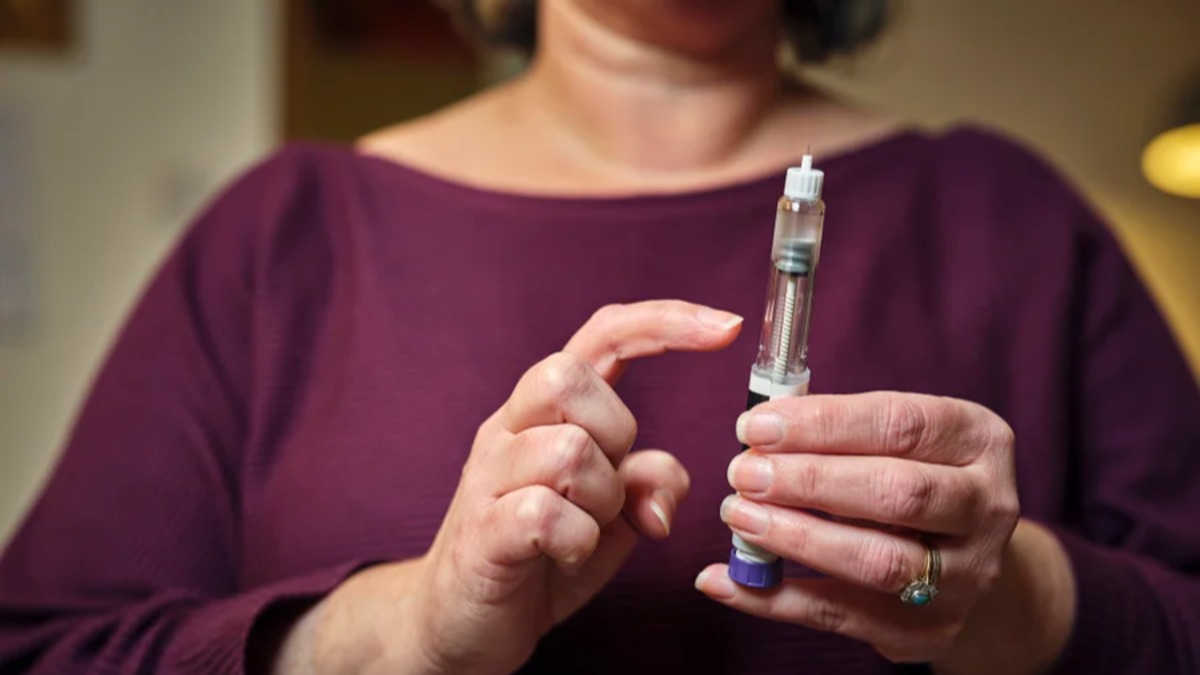
Millions of Americans are now using GLP-Drugs such as Wegovy and Zepbound to lose weight and improve their health.
These medicines can produce significant weight loss. But an important question remains: What happens when treatment stops?
Research shows that weight regain can occur after people discontinue GLP-1 medicines. However, new studies published in Nature Medicine suggest that different strategies may help people maintain more of the weight they have lost.
One approach involves switching from injectable treatment to an oral GLP-1 medicine. Another involves targeting the gut microbiome.
Why Weight Regain Happens After GLP-1 Drugs
GLP-1 medicines work partly by reducing appetite, increasing feelings of fullness and improving blood sugar control.
While these effects can support substantial weight loss, the biological factors that contributed to obesity do not simply disappear when treatment ends.
After stopping medication, appetite and food cravings may return. The body can also respond to weight loss by increasing hunger and encouraging weight regain.
This is why many obesity specialists now view weight management as a long-term process rather than a short-term treatment.
For a broader look at the changing obesity-drug landscape, see our guide to new weight-loss drugs in 2026.
An Oral GLP-1 Option May Help Maintain Weight Loss
One of the most interesting developments is orforglipron, an oral GLP-1 receptor agonist sold in the United States as Foundayo.
The U.S. Food and Drug Administration approved Foundayo in April 2026 for adults with obesity, or adults with overweight and at least one weight-related medical condition, when used with a reduced-calorie diet and increased physical activity.
Unlike weekly injectable GLP-1 medicines, Foundayo is taken as a daily tablet.
That difference could be important for people who prefer an oral treatment or have difficulty continuing injectable therapy.
Study Looks at Weight Maintenance After Injectable GLP-1 Treatment
Researchers studied more than 370 people who had already lost weight while using injectable medicines.
Participants had previously used treatments such as semaglutide or tirzepatide.
After 72 weeks of injectable treatment, participants were switched either to daily orforglipron or placebo.
The results suggested that continuing treatment with oral orforglipron helped people maintain substantially more of their previous weight loss than stopping active treatment.
Participants retained about:
- 79% of their previous weight loss after semaglutide
- 75% of their previous weight loss after tirzepatide
The placebo group regained significantly more weight.
The findings support the idea that moving from an injectable GLP-1 medicine to an oral GLP-1 treatment may provide one possible maintenance strategy.
The 2026 Nature Medicine trial described oral orforglipron as a potential maintenance treatment for people who had achieved weight reduction with injectable GLP-1 therapy.
Why an Oral Maintenance Treatment Could Matter
Long-term treatment can be difficult for several reasons.
Some people dislike injections. Others may struggle with cost, side effects, availability or the inconvenience of ongoing injectable treatment.
A daily tablet could provide another option for appropriate patients.
However, Foundayo is still a prescription medicine with important warnings and potential side effects. The FDA label includes gastrointestinal adverse reactions and warnings involving pancreatitis, kidney injury caused by dehydration, gallbladder disease and other risks. It also carries a boxed warning concerning thyroid C-cell tumors.
Patients should therefore use it only under appropriate medical supervision.
A Second Strategy: Targeting the Gut Microbiome
Researchers are also investigating whether the gut microbiome can help people maintain weight after losing it.
One 2026 Nature Medicine trial studied pasteurized Akkermansia muciniphila MucT, a preparation involving a bacterium associated with metabolic health.
The study included 90 adults with overweight or obesity.
Participants first completed an eight-week low-energy diet that produced at least 8% weight loss. They then followed a healthy unrestricted diet for 24 weeks while receiving either daily MucT or placebo.
What Did the Akkermansia Study Find?
At the end of the 24-week maintenance period, people receiving MucT regained about 1.2 kilograms, compared with about 3.2 kilograms in the placebo group.
The MucT group also had greater net weight loss from the beginning of the study.
The researchers reported no serious treatment-related adverse events.
However, the study was relatively short, and the researchers said longer studies are needed.
This means Akkermansia should be viewed as an emerging research approach, not as a proven replacement for prescription obesity medicines.
Could Gut Health Become Part of Weight Maintenance?
The gut microbiome influences metabolism and other processes involved in energy balance.
The 2026 Nature Medicine trial adds to earlier research suggesting that targeted microbiome interventions could have a role in weight maintenance.
Researchers are now interested in questions such as:
- whether the effects continue for several years
- whether treatment works better in people with certain microbiome profiles
- whether microbiome therapies can be combined with GLP-1 medicines
- which bacterial strains are most important
- whether personalized microbiome treatment could improve results
For a broader discussion of the changing treatment philosophy, see our article on long-term weight management.
Weight Maintenance Is Becoming the Next Big Challenge
The obesity-drug field is moving beyond the simple question of how much weight a medicine can help someone lose.
Researchers and doctors are increasingly asking whether patients can maintain those results safely over the long term.
This shift is important because obesity is generally treated as a chronic condition requiring ongoing management.
Our article on GLP-1 weight loss and muscle loss also explains why successful treatment should look beyond the number on the scale.
A healthy long-term strategy may eventually combine:
- appropriate medication
- balanced nutrition
- regular physical activity
- resistance exercise
- behavioral support
- monitoring of body composition
- long-term medical follow-up
What Should Patients Do If They Want to Stop a GLP-1 Drug?
Patients should not stop prescription obesity medicines on their own.
If someone wants to discontinue treatment because of side effects, cost, personal preference or another reason, the decision should be discussed with the prescribing healthcare professional.
Depending on the person’s situation, the clinician may consider continued treatment, another medication, a maintenance strategy or a structured lifestyle program.
The right approach can vary considerably between patients.
Maintaining weight is only one part of successful obesity treatment. Our article on GLP-1 weight loss and muscle loss explains another important issue patients should understand.
The Bigger Picture
The next phase of obesity treatment may be less about finding a single medicine that produces the biggest possible weight loss.
Instead, researchers are looking for treatments that help people:
- lose meaningful amounts of excess weight
- preserve health and physical function
- manage side effects
- maintain weight loss
- improve metabolic health
- continue treatment safely over time
Oral GLP-1 treatment and microbiome-based approaches are two examples of this changing direction.
The most important lesson is that losing weight and keeping it off are two related but different challenges.
The growing emphasis on maintaining weight after treatment reflects a broader shift toward long-term weight management in obesity care.
Frequently Asked Questions
Do people have weight regain after stopping GLP-1 drugs?
Many people regain some weight after stopping treatment. Appetite and other biological responses can return, making long-term maintenance difficult.
Can an oral GLP-1 drug help maintain weight loss?
Early evidence suggests that oral orforglipron can help people maintain weight loss after switching from injectable GLP-1 treatment.
Is Foundayo approved in the United States?
Yes. The FDA approved Foundayo, also known as orforglipron, in April 2026 for appropriate adults with obesity or overweight with a qualifying weight-related condition.
Can Akkermansia prevent weight regain?
A 2026 randomized trial found that pasteurized Akkermansia muciniphila MucT reduced weight regain compared with placebo over 24 weeks. Larger and longer studies are still needed.
Should I stop my GLP-1 medicine if I have reached my goal weight?
Do not stop a prescribed medicine without discussing the decision with your healthcare professional. Long-term treatment and maintenance strategies should be individualized.
Conclusion
The latest research suggests that maintaining weight after GLP-1 treatment may eventually involve more than simply stopping medication and relying on willpower.
An oral GLP-1 medicine such as orforglipron offers one possible maintenance strategy, while research into Akkermansia muciniphila points toward a completely different approach involving the gut microbiome.
Neither approach removes the need for medical guidance.
The bigger change is that obesity research is increasingly focusing on long-term weight maintenance, not just initial weight loss.
Medical Disclaimer: This article is for informational and educational purposes only. It is not medical advice, diagnosis or treatment. Always consult a qualified healthcare professional before starting, changing or stopping prescription medication.
Authoritative Sources
- U.S. Food and Drug Administration — Foundayo approval
- FDA Foundayo prescribing information
- Nature Medicine — Orforglipron maintenance trial
- Nature Medicine — Akkermansia weight-maintenance trial
#WeightLoss #GLP1 #Wegovy #GutHealth #ObesityTreatment
Written by Ravi Tiku
Publisher & Author | 38 Years of Pharmaceutical Sales Experience
[Medical information note: This article is for general educational purposes and is not a substitute for professional medical advice.]