
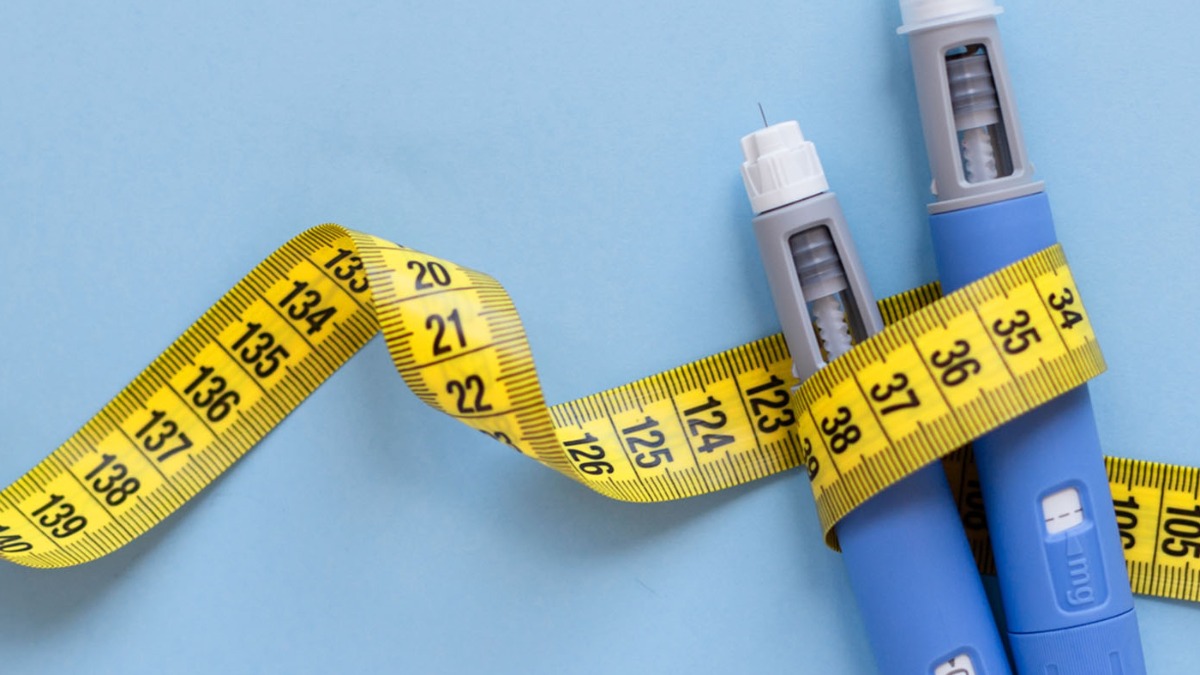
Weight Loss Drug Market Could Reach $150 Billion Globally | Morgan Stanley
The race to develop obesity drugs is entering a new phase.
For several years, the biggest question was simple: How much weight can a drug help people lose?
Now the focus is changing.
Doctors and researchers are increasingly asking whether patients can maintain weight loss, preserve muscle, manage side effects and continue treatment safely for years.
This change is becoming important as newer medicines produce increasingly large reductions in body weight.
From Weight Loss to Long-Term Weight Management
GLP-1 and related medicines have transformed obesity treatment.
Semaglutide and tirzepatide can produce substantial weight loss in appropriate patients. Newer treatments are also being developed to improve the amount of weight lost, convenience, tolerability and long-term results.
At the same time, researchers are recognizing that the number on the scale is only one measure of treatment success.
The 2026 European Association for the Study of Obesity drugs treatment framework reflects the expanding evidence base and emphasizes individualized pharmacological treatment of obesity and its complications.
The changing treatment landscape is part of a much larger pipeline of new weight-loss drugs in 2026 now being studied and developed.
Bigger Weight Loss Is Not Always the Only Goal
The first generation of highly effective obesity medicines created a new benchmark for weight reduction.
But more weight loss does not automatically mean better treatment for every patient.
Doctors also have to consider:
- side effects
- nutritional status
- muscle health
- physical function
- affordability
- access
- treatment adherence
- long-term weight maintenance
This is especially important because obesity treatment is often long term.
Side Effects and Muscle Health Matter
GLP-1 and related medicines can cause gastrointestinal side effects such as nausea, vomiting, diarrhea and abdominal discomfort.
Rapid weight reduction can also involve losses of lean tissue.
A 2026 systematic review from researchers including John Batsis examined body-composition changes during incretin-based and nonpharmacologic weight loss. The findings prompted renewed attention to how much of the weight lost comes from fat versus lean tissue.
The issue is particularly relevant for older adults, who already face age-related reductions in muscle mass and strength.
The importance of preserving lean mass is examined in more detail in our guide to GLP-1 weight loss and muscle loss.
Why Muscle Preservation Is Becoming More Important
Successful obesity drugs treatment should ideally reduce excess fat while maintaining physical function.
Muscle supports strength, mobility, balance and independence.
This does not mean patients should avoid effective obesity treatment.
Instead, it means treatment plans may need to consider nutrition, protein intake, resistance exercise and body composition alongside weight reduction.
Research into new muscle-preserving treatments is also expanding.
The Next Generation of Obesity Drugs
Drugmakers are developing medicines that work through different combinations of metabolic pathways.
Some focus on GLP-1 activity. Others combine multiple hormonal targets.
Retatrutide is one of the most closely watched examples.
The experimental triple-hormone treatment has produced substantial weight loss in clinical trials and illustrates how the obesity-drug race is moving beyond first-generation GLP-1 medicines.
Convenience Could Become a Major Competitive Advantage
Effectiveness is important, but convenience can also influence whether patients stay on treatment.
Many existing obesity medicines require injections.
That is changing.
The FDA approved the oral GLP-1 medicine Foundayo, orforglipron, in April 2026 for appropriate adults with obesity or qualifying overweight.
Nature Medicine research has also examined oral orforglipron as a possible maintenance option after injectable GLP-1 treatment.
This could broaden the range of treatment choices available to patients.
What Happens When Treatment Stops?
Long-term management becomes especially important when patients stop medication.
Weight regain can occur after discontinuation of effective obesity treatments.
One reason is that appetite and other biological responses to weight loss can return.
Our article on what happens after stopping GLP-1 drugs examines new research into strategies that may help people maintain more of their weight loss.
The growing evidence suggests that obesity treatment may need to be viewed as an ongoing management strategy rather than a short course of medication.
Cardiovascular Benefits Add Another Dimension
The value of obesity medicines is not limited to weight reduction.
Some GLP-1-based treatments have also demonstrated important cardiovascular and metabolic benefits.
This means that future treatment decisions may increasingly consider several outcomes at once.
Doctors may look at:
- body weight
- blood sugar
- blood pressure
- cardiovascular risk
- liver health
- physical function
- quality of life
- long-term weight maintenance
This broader approach can help patients and clinicians choose treatment based on individual needs rather than weight loss alone.
Affordability Could Shape the Future
Cost is another major factor.
A highly effective medicine may have limited real-world impact if many patients cannot afford it or cannot obtain adequate insurance coverage.
Future obesity drugs will therefore compete not only on clinical effectiveness but also on access, dosing convenience and affordability.
This could become particularly important in the United States, where prescription coverage varies significantly between patients and insurance plans.
What Does Long-Term Weight Management Look Like?
There is no single formula that works for everyone.
Long-term management may involve a combination of:
- prescription medication
- appropriate nutrition
- adequate protein
- resistance training
- regular physical activity
- behavioral support
- medical monitoring
- strategies to prevent weight regain
The goal is not simply to reach a lower number on the scale.
The goal is to improve health and maintain those improvements over time.
One of the biggest challenges in long-term obesity care is what happens when treatment is stopped. Our article on what happens after stopping GLP-1 drugs examines the latest research on weight regain and maintenance.
Frequently Asked Questions
What is changing in obesity treatment in 2026?
The focus is increasingly shifting from maximum weight loss toward long-term weight management, treatment tolerability, muscle preservation, affordability and sustained health benefits.
Are GLP-1 drugs still important?
Yes. GLP-1-based treatments remain a major part of modern obesity care, while newer medicines and combination approaches are expanding the treatment pipeline.
Why is muscle preservation important?
Muscle contributes to strength, mobility, balance and independence. Researchers are therefore paying greater attention to body composition during significant weight loss.
Is there an oral GLP-1 weight-loss medicine?
Yes. The FDA approved Foundayo, orforglipron, in April 2026 for appropriate adults with obesity or qualifying overweight.
What is the biggest challenge after losing weight?
Maintaining the weight loss may become one of the biggest challenges. Appetite, biology, treatment adherence, affordability and lifestyle factors can all influence long-term results.
The Future of Obesity Treatment
The obesity-drug race is no longer simply about finding a medicine that produces the largest possible weight loss.
The next stage is more complicated.
Researchers are looking for treatments that can produce meaningful weight reduction while improving metabolic health, limiting side effects, preserving physical function and helping people maintain their results.
New oral medicines, combination treatments and approaches aimed at muscle preservation could all become part of this changing landscape.
The next major breakthrough in obesity treatment may therefore not be the drug that produces the biggest initial weight loss.
It may be the treatment that helps people lose the right amount of weight and keep the health benefits for the long term.
Medical Disclaimer: This article is for informational and educational purposes only. It is not medical advice, diagnosis or treatment. Prescription obesity medicines should be used only under appropriate medical supervision.
Authoritative Sources
- FDA — Foundayo approval and 2026 novel drug information
- Nature Medicine — 2026 obesity treatment framework
- Nature Medicine — oral orforglipron maintenance trial
- Annals of Internal Medicine — muscle preservation and incretin therapy
Written by Ravi Tiku
Publisher & Author | 38 Years of Pharmaceutical Sales Experience
[Medical information note: This article is for general educational purposes and is not a substitute for professional medical advice.]