
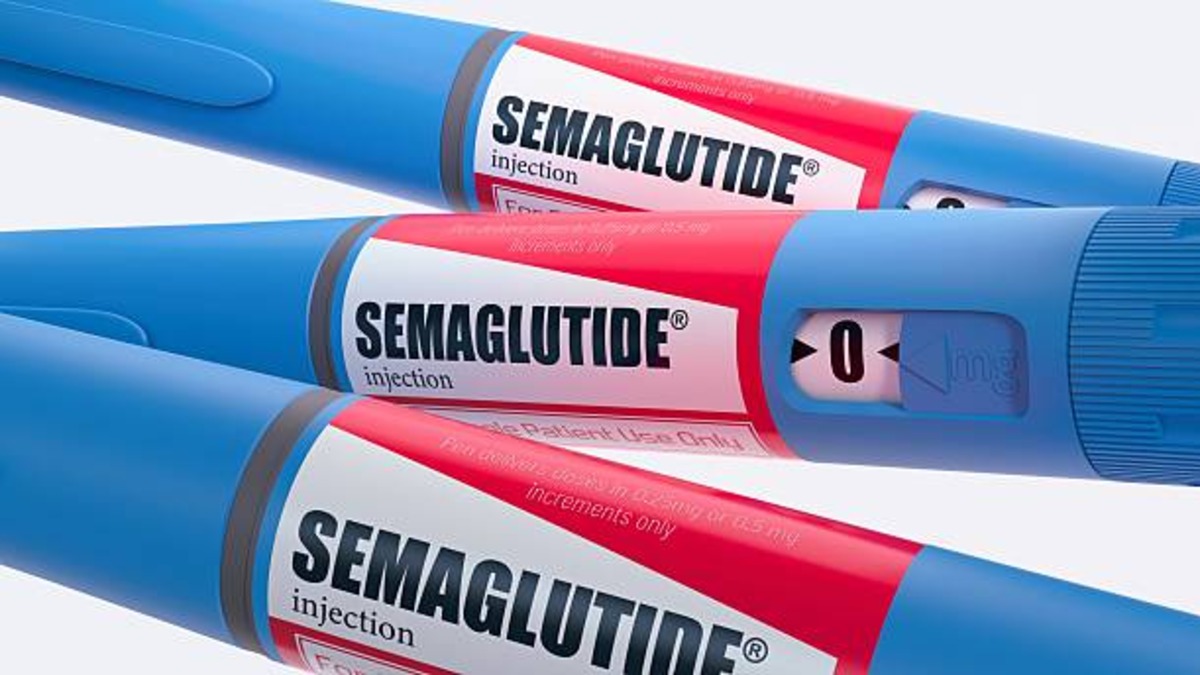
GLP-1 drugs and Alcohol Cravings: Semaglutide may help heavy drinkers cut alcohol intake, reduce cravings, and offer a promising new addiction treatment.
Semaglutide, the active ingredient in medicines such as Ozempic and Wegovy, is best known for treating type 2 diabetes and helping people lose weight.
But researchers are now studying another possible use.
New clinical research suggests that semaglutide may help some people with Alcohol Use Disorder (AUD) reduce heavy drinking, alcohol cravings and alcohol-related problems.
The findings are promising. However, semaglutide is not currently an approved treatment for Alcohol Use Disorder.
What Are GLP-1 Drugs?
GLP-1 stands for glucagon-like peptide-1.
It is a naturally occurring hormone involved in blood sugar control, appetite and digestion.
GLP-1 medicines imitate some of these effects. They can:
- Increase insulin release when blood sugar is elevated
- Reduce glucagon
- Slow stomach emptying
- Reduce appetite
- Increase feelings of fullness
- Help control food intake
- Support weight loss
Semaglutide is one of the best-known GLP-1 medicines. It is used in Ozempic for type 2 diabetes and Wegovy for weight management.
Researchers now believe that GLP-1 signaling may also influence parts of the brain involved in reward and addictive behavior.
That has created interest in whether GLP-1 medicines could help people reduce harmful alcohol use.
What Did the New Study Find?
A 2026 randomized clinical trial published in the American Journal of Psychiatry studied oral semaglutide in adults with moderate to severe Alcohol Use Disorder.
The trial involved 50 people who wanted help controlling their drinking. Participants received oral semaglutide or placebo for eight weeks.
The semaglutide group showed reductions in several important alcohol-related measures, including heavy drinking days, drinks consumed on drinking days, naturalistic alcohol craving and alcohol-related problems.
However, there is an important detail.
The study’s primary laboratory measure of alcohol cue-triggered craving did not show a statistically significant difference between semaglutide and placebo.
So the findings are encouraging, but they do not mean that semaglutide completely eliminates alcohol cravings.
Why Is This Important?
Alcohol Use Disorder is a serious medical condition.
People with AUD may continue drinking even when alcohol causes problems with their health, work, relationships or daily life.
Current treatments include medicines such as naltrexone, acamprosate and disulfiram, along with counseling and behavioral therapies.
Not every treatment works equally well for every person.
That is why researchers are interested in another biological pathway.
GLP-1 medicines already influence appetite and reward-related pathways. Researchers are investigating whether those same pathways can affect alcohol consumption.
The idea is particularly interesting because earlier studies had already suggested that GLP-1 medicines might reduce alcohol intake.
A 2025 randomized trial of once-weekly semaglutide also found reductions in some alcohol-related outcomes and supported the need for larger clinical trials.
What Did Participants Experience?
The 2026 oral semaglutide study reported reductions in:
- Heavy drinking days
- Drinks consumed on drinking days
- Naturalistic alcohol craving
- Alcohol-related negative consequences
The study also found fewer cannabis-use days among participants who used cannabis.
However, the study was small and lasted only eight weeks.
That means researchers still need larger and longer trials before they can determine how useful semaglutide might become in routine AUD treatment.
Does Semaglutide Make People Stop Drinking?
Not necessarily.
This is an important distinction.
The research suggests that semaglutide may help some people reduce harmful drinking.
It does not show that everyone taking semaglutide will stop drinking completely.
For some people with AUD, reducing heavy drinking can be a meaningful treatment goal even when complete abstinence is not immediately achieved.
What About Earlier Research?
The 2026 study is part of a growing body of research.
A 2026 Lancet trial also investigated once-weekly semaglutide in people with obesity and moderate-to-severe AUD. The study found a reduction in heavy drinking days and added further evidence that GLP-1 treatment deserves larger clinical investigation in this area.
Researchers are also examining other GLP-1 medicines and related metabolic treatments.
This broader research is important because the future of weight-loss treatment is moving rapidly beyond traditional appetite suppression.
For readers interested in that wider development, our new generation of weight-loss drugs being developed in 2026 is covered in the SlimFitAffiliate ‘Pillar Article’.
Could GLP-1 Drugs Help Other Addictions?
Possibly, but the evidence is still developing.
Researchers are studying whether GLP-1 signaling can influence other reward-driven behaviors.
The 2026 oral semaglutide study reported fewer cannabis-use days among the subgroup using cannabis. That is an interesting finding, but it is not enough to establish semaglutide as a treatment for cannabis use disorder.
Researchers are also examining whether GLP-1 medicines could affect smoking behavior.
These are promising research areas, but they should not be confused with approved indications.
How Does This Connect With New GLP-1 Medicines?
The GLP-1 field is expanding quickly.
Researchers are developing oral medicines, combination treatments and drugs that target different metabolic pathways.
Our article on new oral weight-loss and diabetes drugs looks at this changing treatment landscape, including experimental approaches designed to protect muscle while improving metabolism.
There is another important question too.
Why do GLP-1 medicines produce stronger results in some people than others?
Our article on genetic differences in GLP-1 response examines that emerging research.
What Happens After the Medicine Is Stopped?
Researchers do not yet have a clear answer for AUD.
The oral semaglutide trial lasted only eight weeks, so it cannot tell us whether the alcohol-related benefits would continue after treatment stops.
This is one of the most important questions for future research.
Longer studies will need to determine whether people need continued treatment to maintain reduced alcohol consumption.
Is Semaglutide Approved for Alcohol Use Disorder?
No.
Semaglutide is approved for specific medical uses involving diabetes, obesity and related conditions.
Alcohol Use Disorder is not currently an approved indication for semaglutide.
Therefore, people should not start Ozempic, Wegovy, Rybelsus or another semaglutide product specifically to treat alcohol dependence without medical supervision.
The current research supports further investigation. It does not establish semaglutide as an approved AUD medicine.
What Could Happen Next?
Researchers need to answer several questions:
- Does the benefit continue with longer treatment?
- Which patients benefit the most?
- What dose is most effective?
- Does injectable semaglutide work differently from oral semaglutide?
- Can GLP-1 medicines work alongside existing AUD treatments?
- What happens after treatment stops?
- Will the results remain consistent in larger and more diverse populations?
These questions will require larger randomized clinical trials.
The Bigger Picture
The most interesting part of this research is that GLP-1 medicines may have effects beyond appetite, blood sugar and body weight.
The 2026 evidence suggests that semaglutide may reduce several important measures of harmful alcohol use.
But the evidence needs to be described carefully.
Semaglutide is a promising area of research for Alcohol Use Disorder. It is not yet an approved treatment for alcohol addiction.
That distinction is important.
Medical Disclaimer
This article is for educational purposes only and is not medical advice, diagnosis or treatment. Anyone concerned about alcohol dependence should speak with a qualified healthcare professional. Never start, stop or change prescription medication without medical advice.
References
- American Journal of Psychiatry — Oral Semaglutide for Alcohol Use Disorder
- JAMA Psychiatry — Once-Weekly Semaglutide in Adults With Alcohol Use Disorder
- ClinicalTrials.gov — Semaglutide for Alcohol Use Disorder
#GLP1Drugs #Semaglutide #AlcoholUseDisorder #WeightLossMedication #HealthResearch
Written by Ravi Tiku
Publisher & Author | 38 Years of Pharmaceutical Sales Experience
[Medical information note: This article is for general educational purposes and is not a substitute for professional medical advice.]