
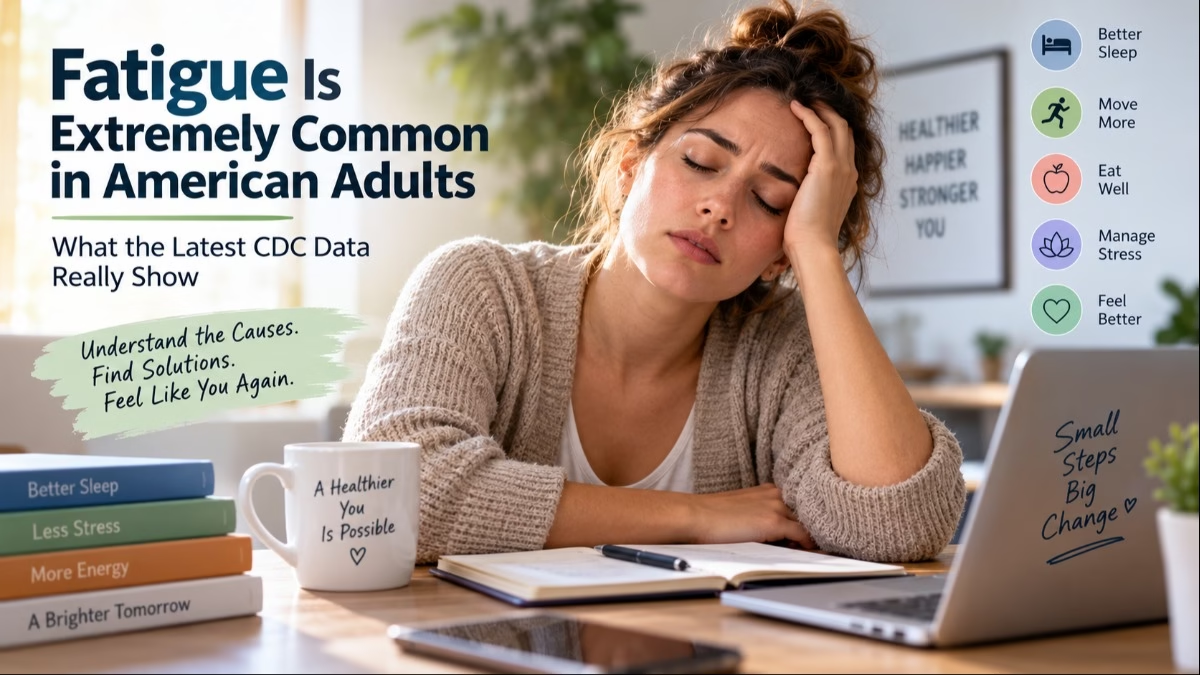
Frequent fatigue should not automatically be dismissed as just being busy or getting older.
Feeling tired after a busy day is normal. But when exhaustion keeps returning, even after rest, it may deserve closer attention.
A new report from the U.S. Centers for Disease Control and Prevention (CDC) shows just how widespread fatigue has become among American adults. The report, published by the National Center for Health Statistics (NCHS) in September 2026, analyzed data from about 27,000 adults who participated in the 2024 National Health Interview Survey
The finding is striking: 71.5% of U.S. adults experienced fatigue at least some days during the previous three months. More importantly, 16.6% experienced fatigue most days or every day.
What does the latest CDC fatigue report show?
The CDC study found that:
- 71.5% of adults experienced fatigue at least some days.
- 16.6% experienced frequent fatigue, meaning most days or every day.
- Women reported frequent fatigue more often than men, 20% versus 13%.
- Frequent fatigue affected 19.5% of adults aged 18–34.
- Among adults aged 65 and older, the figure was 12.9%.
- People with frequent fatigue were much more likely to report difficulties with everyday functioning.
- 36% of adults with frequent fatigue reported work limitations.
- 29% reported limitations in social activities.
- The report does not prove that modern lifestyles are causing fatigue. It also did not investigate individual causes. But it clearly shows that persistent tiredness is a major health concern.
Frequent fatigue is not the same as ordinary sleepiness
This distinction matters.
Sleepiness usually means feeling that you could fall asleep. Fatigue is broader. It can involve physical exhaustion, low energy or mental tiredness that does not necessarily disappear after sleeping.
Fatigue can occur alongside problems with concentration, mood, mobility and daily activities. The CDC found that people experiencing frequent fatigue were considerably more likely to report difficulties across multiple areas of functioning.
Could lack of sleep be part of the problem?
Possibly.
Separate CDC data show that 30.5% of U.S. adults slept fewer than seven hours per night in 2024. Women were also more likely than men to report difficulty staying asleep.
However, fatigue should not automatically be blamed on insufficient sleep.
Medical conditions can also contribute. The National Institute on Aging lists conditions such as anemia, thyroid disease, heart disease, kidney disease, diabetes, infections and sleep apnea among possible causes of fatigue. Certain medications can contribute as well.
Sleep apnea deserves particular attention because daytime fatigue can occur even when someone believes they are sleeping enough. Current clinical guidance identifies non-restorative sleep and daytime symptoms among reasons to consider evaluation for obstructive sleep apnea.
What can you do about persistent frequent fatigue?
Start with the basics.
Aim for adequate, consistent sleep. Maintain regular physical activity, eat a balanced diet and avoid spending the entire day sitting or staring at screens.
Stress management also matters. Relaxation, breathing exercises and gentle movement can be useful forms of recovery.
But persistent or unexplained fatigue should not simply be treated with caffeine, energy drinks or supplements. If exhaustion continues, becomes worse or interferes with work and daily life, speak with a healthcare professional.
The key message from the latest CDC data is simple: fatigue is common, but frequent fatigue should not automatically be dismissed as just being busy or getting older. Finding the underlying reason can be the most important step toward feeling better.
#Fatigue #AdultHealth #HealthyLifestyle #SleepHealth #Wellness