
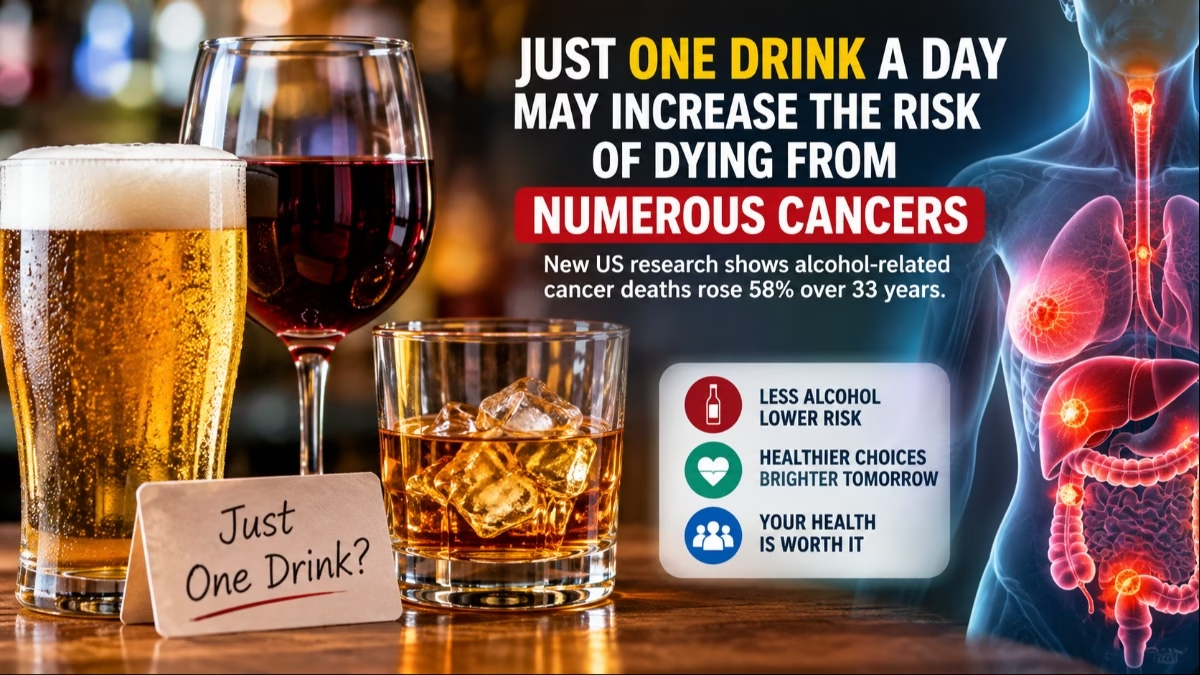
Alcohol and Cancer Risk:Besides many studies,this article talks about the study as latest as 2nd September-2026-conveying the message:less alcohol generally means less alcohol-related cancer risk.
For years, an occasional drink was often seen as harmless. New research suggests the picture is more complicated.
A major US study published in The Lancet Regional Health – Americas in September 2026 found that alcohol-attributable cancer deaths in the United States more than doubled between 1990 and 2023, rising from 11,361 to 23,126 deaths a year.
The research also shows that alcohol-related cancer is not simply a liver cancer issue. Breast, colorectal, esophageal and several other cancers contributed to the growing burden.
What did the new study find?
Researchers from the University of Miami analyzed more than three decades of data from the Global Burden of Disease study.
The study found that alcohol-attributable cancer mortality increased across many cancer types, age groups and sexes. Adults aged 55 and older carried the greatest burden.
Among younger adults aged 20 to 54, the pattern was particularly notable:
- Colorectal cancer was the leading alcohol-attributable cancer death among men.
- Breast cancer ranked first among women.
- Liver cancer was no longer the dominant alcohol-related cancer in these younger groups.
The researchers also found that liver cancer had one of the largest increases in alcohol-attributable mortality over the study period.
Does one drink a day really matter?
This is where the message needs some context.
The study does not mean that everyone who has one drink will develop cancer. Cancer risk depends on many factors, including age, sex, genetics, tobacco use, overall alcohol intake and other lifestyle factors.
However, established research shows that even relatively low alcohol consumption can increase the risk of some cancers.
The National Cancer Institute states that alcohol is a known human carcinogen. It is associated with cancers of the mouth, throat, voice box, esophagus, liver, breast, colon and rectum.
For example, women who consume about one drink per day have a higher breast cancer risk than women who drink less than one drink per week.
Why can alcohol increase cancer risk?
Alcohol can affect the body in several ways.
When the body breaks down alcohol, it produces acetaldehyde, a toxic substance that can damage DNA and proteins. Alcohol can also increase oxidative stress, affect hormone levels and interfere with the absorption of nutrients involved in maintaining healthy cells.
The combination of alcohol and tobacco is particularly concerning. Research shows that together they can substantially increase the risk of cancers of the mouth, throat, voice box and esophagus.
Is there a safe amount of alcohol?
There is an important distinction between lower risk and zero risk.
The American Cancer Society says that the best choice for cancer prevention is not to drink alcohol. For people who choose to drink, its guideline recommends no more than one drink per day for women and two for men.
A standard US drink means approximately 12 ounces of regular beer, 5 ounces of wine or 1.5 ounces of spirits.
These limits should not be interpreted as a guarantee that cancer risk is eliminated.
The practical takeaway
The latest evidence does not suggest that an occasional drink automatically leads to cancer.
But it does challenge the old idea that a daily drink is completely risk-free.
Alcohol is a modifiable cancer risk factor. That means reducing consumption is one practical step people can take to potentially lower their long-term risk.
And if someone already drinks regularly, cutting back or stopping can still be worthwhile. Research summarized by the National Cancer Institute indicates that reducing or stopping alcohol consumption is associated with lower risks of some cancers, although risk may take years to approach that of someone who never drank.
The bigger message is simple: less alcohol generally means less alcohol-related cancer risk.
Medical note: This article is for general education and does not replace personalized medical advice. Anyone with cancer, liver disease, medication-related concerns or a history of heavy drinking should discuss alcohol use with a healthcare professional.
#AlcoholAndCancer #CancerRisk #CancerPrevention #HealthyLifestyle #HealthResearch
Direct References / Sources
- The Lancet Regional Health – Americas: Alcohol-attributable cancer mortality in the United States, 1990–2023
- National Cancer Institute: Alcohol and Cancer Risk
- American Cancer Society: Alcohol Use and Cancer
- American Cancer Society: Diet and Physical Activity Guideline for Cancer Prevention
- University of Miami: U.S. Cancer Deaths Linked to Alcohol Have Doubled Since 1990