
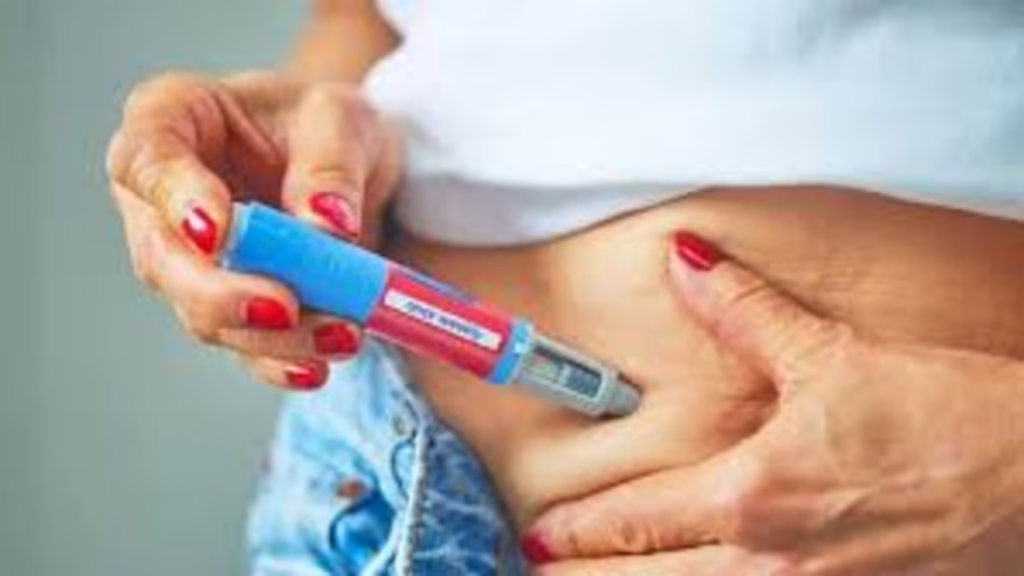
People who come off slimming jabs have weight regain four times faster than dieters
Introduction
GLP-1 weight-loss drugs have changed obesity treatment.
Medicines such as Wegovy and Zepbound can help people lose substantial amounts of weight by reducing appetite and increasing feelings of fullness. But an important question remains: why does weight regain often happen after treatment ends?
New research provides a clearer answer.
A 2026 systematic review published in the BMJ examined 37 studies involving more than 9,000 people. Researchers found that weight regain after stopping weight-management medication was faster than after behavioral weight-management programs. Among newer and more effective incretin medicines, the estimated average regain was about 0.8 kg per month.
That does not mean everyone will regain all the weight.
It does show why obesity treatment cannot be viewed simply as losing weight and then stopping treatment.
What the 2026 Research Found
The BMJ review analyzed 37 studies and more than 9,300 participants.
Across all weight-management medicines, the average rate of regain after treatment stopped was about 0.4 kg per month.
For incretin medicines, the estimate was about 0.5 kg per month.
For newer and more effective incretin medicines, including semaglutide and tirzepatide, the estimated rate was about 0.8 kg per month.
The researchers estimated that people using these newer medicines could return toward their previous weight relatively quickly after treatment ended.
This is one reason experts increasingly view obesity as a chronic condition that may require long-term management.
Why Does Weight Return After GLP-1 Treatment?
The answer begins with how these medicines work.
GLP-1 receptor agonists affect appetite, digestion and feelings of fullness. People taking them may find it easier to eat less because hunger becomes less difficult to manage.
When treatment stops, those effects gradually disappear.
Appetite can increase.
Food cravings can return.
The amount of food a person naturally wants to eat can rise again.
This creates a difficult situation. A person may have successfully lost weight but still face the biological pressures that contributed to obesity in the first place.
That is why weight regain should not automatically be viewed as a failure of willpower.
Weight Loss Changes More Than the Number on the Scale
Another important point is that weight loss is not simply a matter of losing body fat.
During substantial weight loss, some lean mass can also be lost.
That makes maintaining muscle important, especially during long-term weight management.
A sensible approach includes:
- adequate protein
- regular physical activity
- resistance training
- nutritious food choices
- adequate sleep
- ongoing medical follow-up
The objective should be better health and sustainable weight management rather than simply achieving the lowest possible number on the scale.
Why Lifestyle Still Matters
GLP-1 medicines can make weight loss easier for many people.
But medication does not automatically create permanent eating and activity habits.
If old eating patterns return after treatment ends, maintaining weight loss can become difficult.
This is why doctors often combine weight-loss medication with nutrition, physical activity and behavioral changes.
The BMJ researchers concluded that stopping weight-management medication is followed by relatively rapid weight regain and reversal of some metabolic improvements.
The lesson is not that GLP-1 medicines do not work.
The lesson is that weight management needs a long-term plan.
Does Everyone Regain Weight After Stopping a GLP-1?
No.
Individual results vary.
A separate 2026 analysis of U.S. real-world data suggested that some people may maintain or continue losing weight after stopping treatment, particularly when exercise counseling and other lifestyle changes are involved. However, that analysis was observational and had not yet undergone peer review when reported. (Reuters)
This is important because it shows that the story is not simply:
Take GLP-1 → stop GLP-1 → regain everything.
The reality is more complicated.
Some people regain substantial weight. Others may maintain much of their loss. Researchers are still trying to determine which patients are most likely to maintain their results.
What This Means for People Using Wegovy or Zepbound
The most important message is simple:
Do not stop a prescription weight-loss medicine without discussing it with your healthcare professional.
The reason for stopping matters.
So does the treatment duration.
So does the amount of weight lost.
So do diet, physical activity, medical conditions and other medicines.
A doctor can help determine whether continued treatment, a different strategy or a structured maintenance plan makes sense.
What Happens After You Stop a GLP-1?
The biological reasons for weight regain are important, but many readers have a more practical question:
Can you actually keep the weight off after stopping?
Yes, it may be possible for some people, but the strategy matters.
We have covered that question separately in our article:
What Happens After Stopping GLP-1 Drugs? Weight Regain and New Research
That article looks specifically at two newer strategies being studied for maintaining weight after GLP-1 treatment.
This article focuses instead on why weight regain happens in the first place.
The Bigger Picture for Weight-Loss Drugs in 2026
The obesity-drug market is moving quickly.
New oral medicines, next-generation incretin treatments and combination drugs are being studied alongside established treatments such as Wegovy and Zepbound.
Our main pillar article looks at this rapidly changing landscape and the medicines that could shape obesity treatment in 2026 and beyond.
See the complete 2026 weight-loss drug guide
The bigger trend is clear: researchers are increasingly looking beyond short-term weight loss toward long-term weight management.
Frequently Asked Questions
Can you regain weight after stopping a GLP-1 drug?
Yes. Weight regain is common after stopping weight-management medication, although the amount varies considerably between individuals.
How fast can weight return after stopping a GLP-1?
The 2026 BMJ analysis estimated about 0.8 kg per month for newer and more effective incretin medicines, although individual results vary.
Does stopping Wegovy always cause weight regain?
No. Some people may maintain or continue losing weight, but clinical evidence shows that substantial regain is common after discontinuation.
Why does appetite increase after stopping a GLP-1?
GLP-1 medicines influence appetite and fullness. When their effects wear off, hunger and food cravings can return.
Can lifestyle changes help maintain weight loss?
Yes. Nutrition, physical activity, resistance training and long-term medical support can all form part of a weight-maintenance plan.
References
- BMJ, 2026 — systematic review and meta-analysis of weight regain after stopping weight-management medicines.
- Reuters, 2026 — U.S. real-world evidence on weight maintenance after GLP-1 discontinuation.
#GLP1 #WeightRegain #WeightLossDrugs #ObesityTreatment #HealthyWeight
Written by Ravi Tiku
Publisher & Author | 38 Years of Pharmaceutical Sales Experience
[Medical information note: This article is for general educational purposes and is not a substitute for professional medical advice.]